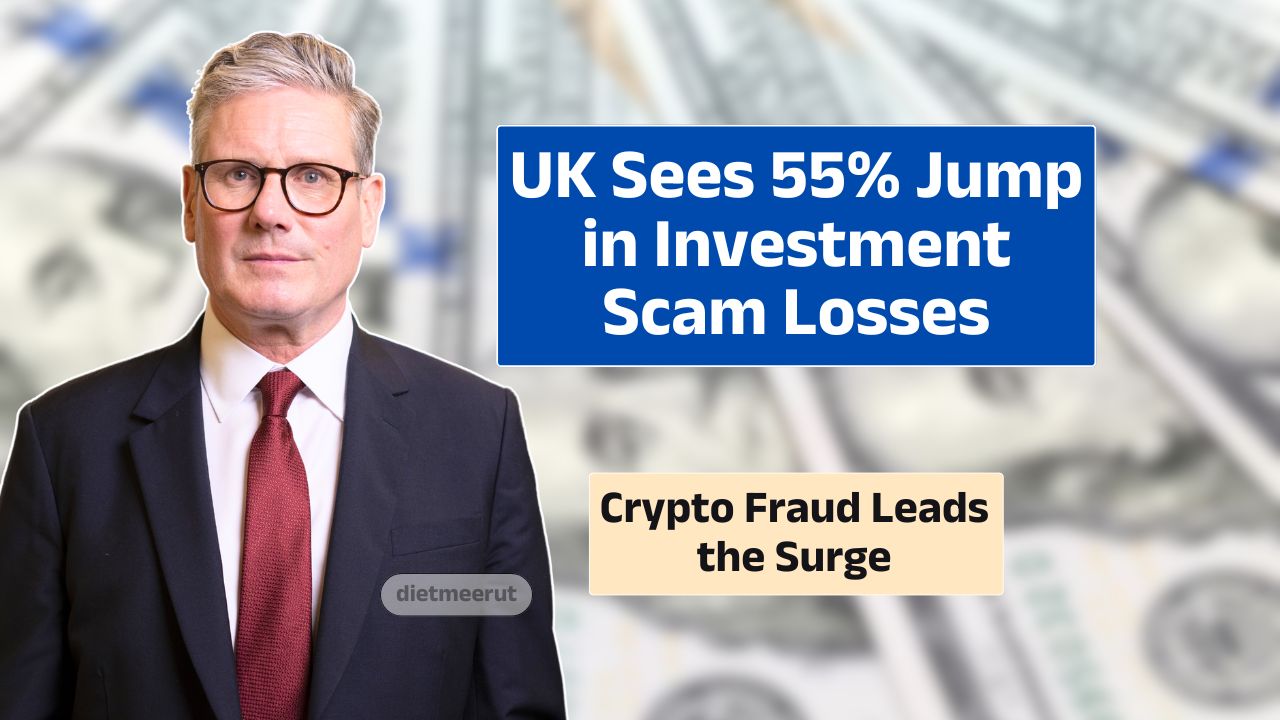
Investment scam losses in the UK have soared by 55% in just one year, with fake cryptocurrency schemes emerging as the leading culprit, according to newly released banking industry data. Consumers were tricked into handing over nearly £100 million in the first half of 2025 alone—an average of more than £500,000 stolen every day.
These alarming figures highlight the growing threat of online financial crime, particularly as scammers continue to exploit social media, deepfake videos, and fake websites to dupe unsuspecting investors.
Table of Contents
Sharp Rise in Investment Scam Losses
While overall fraud losses across the UK rose by just 3% to £629 million, the amount lost to investment scams reached £97.7 million during the first six months of 2025. UK Finance, the trade association that released the data, said the surge was largely driven by bogus cryptocurrency investments.
The typical scam begins with a fake advert or news story shared on social media, often featuring doctored videos of celebrities or finance experts promoting a crypto investment. One common tactic is impersonating well-known individuals, such as consumer finance guru Martin Lewis, to give the scam more credibility.
How the Scam Works
Victims usually start by investing a small amount—often around £250—after being lured in by the promise of high returns. Fraudsters use sophisticated tools like fake trading platforms that simulate real-time profit growth. Convinced they’re making money, investors are encouraged to put in more.

When they try to withdraw their “winnings,” they are met with delays and demands for additional fees—such as taxes or broker commissions—before finally realising they’ve been conned.
In many cases, victims never recover their funds. Some lose tens or even hundreds of thousands of pounds, with the scam sometimes continuing over weeks or months before being exposed.
Crypto at the Centre
Cryptocurrency scams are now thought to be the most common type of investment fraud in the UK. According to UK Finance, criminals often promote these scams through social media platforms, exploiting loopholes and lax monitoring to advertise fake crypto services.
Earlier this year, a scam operating out of Georgia was found to have tricked UK investors out of at least £9 million, using deepfake content to support its claims. Despite ongoing efforts to raise awareness, many people—some with financial knowledge—are still falling victim.
Industry Collaboration Urged
With the rise in fraud showing no signs of slowing, campaigners and banking groups are now calling for more collaboration between sectors.

Stop Scams UK recently held a roundtable attended by the Bank of England governor and the government’s fraud minister. Participants pushed for greater involvement from cryptocurrency firms in anti-fraud efforts, arguing that all sectors should share data and play a role in reducing scams.
UK Finance has echoed these calls, urging the government to include all industries—including social media and telecoms—in its upcoming national fraud strategy.
Other Growing Fraud Types
While crypto investment scams dominated the headlines, the data revealed troubling increases in other types of fraud:
- Romance scams rose by 35%, where victims were tricked into believing they were in online relationships and convinced to send money.
- Contactless card fraud jumped 27% during the same period, highlighting vulnerabilities in everyday payment technology.
Many experts believe the actual fraud totals are much higher, as countless victims choose not to report the crime—often due to embarrassment or shame.
Experts Warn of Wider System Failures
Banking leaders argue that fraud prevention must move beyond just customer awareness and reactive refunds. Richard Daniels, director of fraud at TSB, said the scams are being fuelled by failures in other sectors, particularly social media platforms.

He urged phone networks and social media giants to take faster action to remove scam content before it reaches potential victims.
The Payments Association also criticised policymakers for not doing enough to block fraud at its source, saying platforms that host and promote scam content must be held responsible.
As the losses mount, the pressure is rising on the government and tech companies to act. With investment scams, especially crypto-related ones, becoming more sophisticated and harder to detect, stopping fraud at its root will be key to protecting consumers in the digital age.
FAQs
How much was lost to investment scams in 2025?
£97.7 million was lost in the first half of the year.
What is the most common scam type?
Fake cryptocurrency investments top the list.
How do crypto scams typically start?
Usually through fake social media ads or deepfake videos.
Who is calling for tougher fraud rules?
UK Finance, TSB, and the Payments Association.
Why don’t all victims report fraud?
Many feel embarrassed or ashamed to speak up.