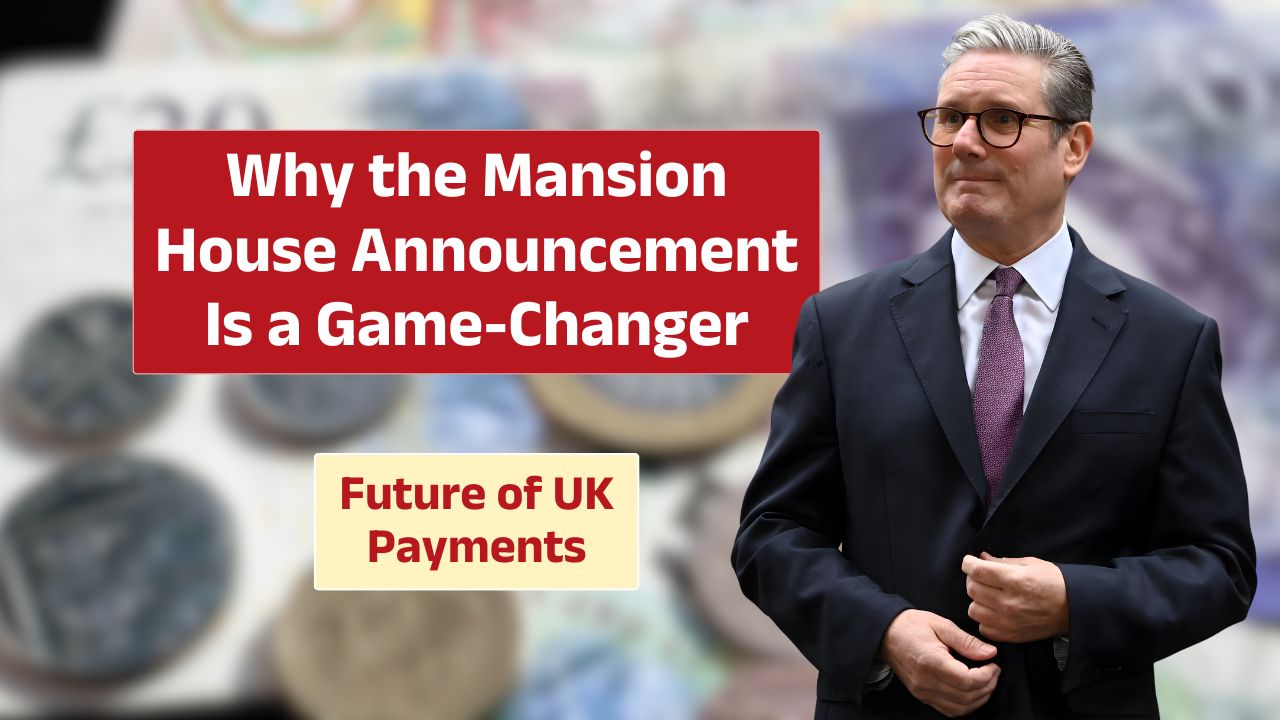
The UK’s push into digital finance took a major step forward with the launch of a two-year pilot testing tokenized sterling deposits. Announced by UK Finance and involving six of the country’s largest banks — Barclays, HSBC, Lloyds, NatWest, Nationwide, and Santander — the pilot will run until mid-2026 and aims to explore the future of commercial bank money in a tokenized form.
This pilot marks the next phase in the UK’s journey to modernize its financial infrastructure and investigate how blockchain technology could reduce fraud, improve settlement efficiency, and power programmable payments.
Table of Contents
Tokenized Deposits Pilot
The project, known as GBTD (general-purpose tokenized deposits), will test digital representations of pound sterling issued by commercial banks. Unlike cryptocurrencies, tokenized deposits are backed one-to-one by fiat reserves and operate within the regulated banking system.
UK-based Quant Network, a specialist in blockchain interoperability, is providing the technical infrastructure. Its CEO, Gilbert Verdian, described the initiative as laying the groundwork for “tomorrow’s economy,” signaling the UK’s ambition to lead in tokenized money adoption.
Three Key Use Cases
The GBTD pilot will explore three real-world applications where tokenized deposits could offer meaningful improvements:

- Online Marketplace Payments
Tokenized money will allow safer peer-to-peer transactions, lowering the risk of fraud and increasing confidence between buyers and sellers in online marketplaces. - Remortgaging Processes
By digitizing mortgage settlements, the pilot aims to speed up transactions, enhance transparency, and combat conveyancing fraud. - Wholesale Bond Settlement
Linking tokenized commercial bank money to digital securities could make bond settlement faster and more efficient, streamlining the broader capital markets ecosystem.
Building on the Regulated Liability Network (RLN)
This pilot builds upon the Regulated Liability Network (RLN), a 2024 initiative coordinated by UK Finance. The RLN explored how shared ledger infrastructure could modernize payment systems and reduce the cost of failed transactions.
That earlier project brought together heavyweights such as Citi, Mastercard, Visa, Standard Chartered, and Virgin Money — many of whom are also involved in the GBTD trial. UK Finance’s 2024 findings suggested that a blockchain-based RLN could process a significant portion of the UK’s £14.5 trillion annual payment flows more securely and efficiently.
Private-Public Sector Collaboration
Jana Mackintosh, managing director of payments at UK Finance, stressed the importance of collaboration between the financial industry and regulators. She noted that private investment in digital innovation must go hand-in-hand with regulatory engagement to ensure a secure, unified framework for the future of commercial bank money.
The pilot also aligns with the Bank of England’s call to maintain the “singleness of money” — ensuring that digital versions of money are fully interchangeable and carry the same value and reliability as traditional bank deposits.
Wider Context
The GBTD trial is part of a broader movement in the UK toward tokenizing financial assets, a trend rapidly gaining traction globally.

- In March 2025, the UK Treasury unveiled DIGIT, a pilot project for issuing short-term government bonds (gilts) on distributed ledger technology (DLT).
- The London Stock Exchange Group (LSEG) also launched its Digital Markets Infrastructure (DMI) platform, allowing for the tokenization and post-trade settlement of private funds. Built with Microsoft on Azure, it has already been used to tokenize MembersCap’s MCM Fund 1.
These developments align with a global shift toward tokenized real-world assets (RWAs). Research by EY shows nearly half of institutional investors are considering tokenized products. Standard Chartered estimates the RWA market could reach $30.1 trillion by 2034.
Future Outlook
Though tokenized products currently represent a small fraction of the global market, adoption is accelerating. The UK’s structured pilots, led by government bodies and supported by major institutions, signal a clear intention to embrace digital finance.
By 2026, the GBTD pilot will help determine whether tokenized commercial bank deposits can safely and efficiently support programmable payments, reduce fraud, and act as a stepping stone to future innovations such as wholesale central bank digital currencies (CBDCs).
As more infrastructure comes online and regulation catches up, tokenization could transform everything from everyday payments to bond markets, positioning the UK as a leader in the next chapter of financial innovation.
FAQs
What is the GBTD pilot?
A UK pilot testing tokenized sterling deposits with six major banks.

Which banks are involved in the pilot?
Barclays, HSBC, Lloyds, NatWest, Nationwide, and Santander.
What technology supports the pilot?
Quant Network provides the blockchain infrastructure.
When will the pilot end?
The pilot will run until mid-2026.
What are the use cases being tested?
Online payments, mortgage settlements, and bond settlement.