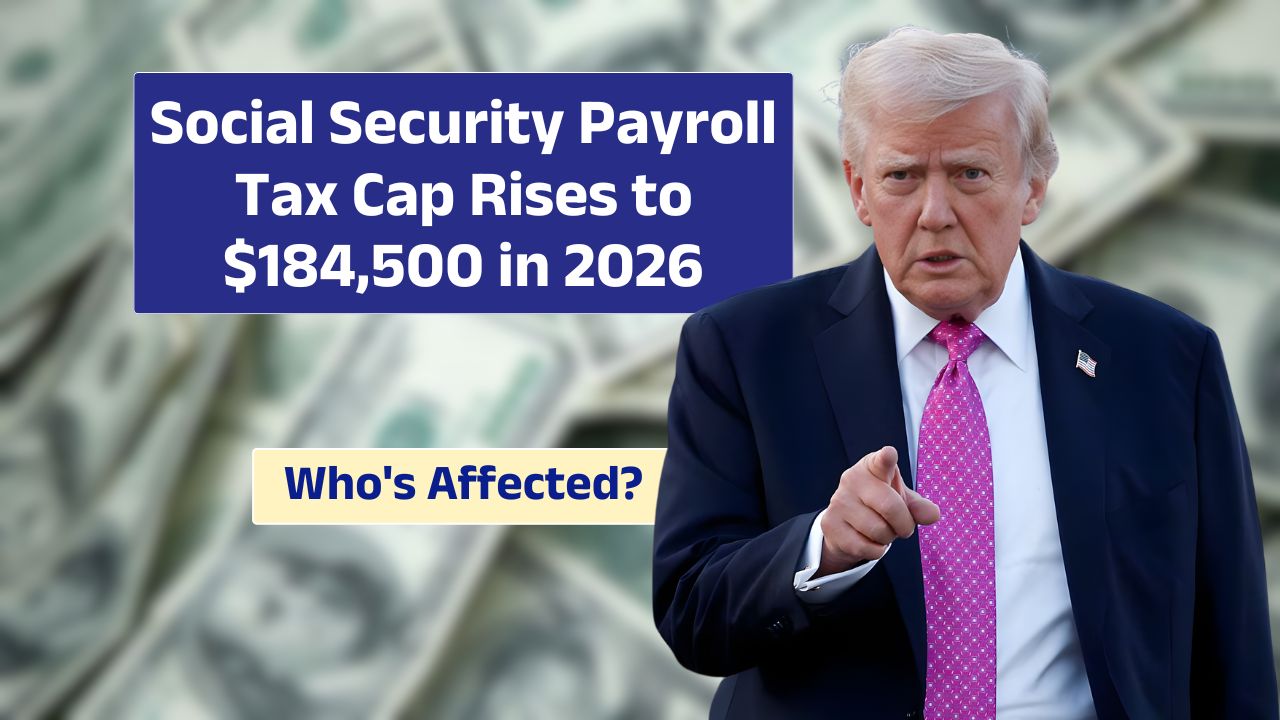
With Donald Trump returning to the White House, changes are brewing for Social Security—and they’re getting a lot of attention. Some Americans are hopeful, while others are worried. At the heart of the debate is whether these changes will help preserve Social Security or cut benefits as the system approaches a funding crisis.
In this article, we’ll walk you through the key updates for 2025, who’s eligible for payments, what Trump has proposed, and how it all might affect you. Let’s unpack the upcoming Social Security changes.
Table of Contents
Overview
Social Security is a critical lifeline for millions of Americans, especially seniors and those with disabilities. As the U.S. population continues to age and life expectancies increase, the program’s long-term sustainability is under pressure. Trump has made a few campaign promises that suggest he’s aiming to protect the program—but not without proposing some big shifts.
From tax exemptions to retirement age adjustments, these changes may have a big impact on your future payments.
Eligibility
To receive Social Security benefits in 2025, you need to meet certain requirements:

- Be at least 65 years old
- Have a qualifying disability or be legally blind
- Be classified as low-income with assets under $2,000
- Be a U.S. citizen or legal resident
These criteria ensure that payments go to the most financially vulnerable, but even those who don’t currently qualify might be affected by policy updates in 2025.
Proposals
Trump’s proposed Social Security changes aren’t just talk—they’re specific, and some are already being debated. Here’s a closer look:
Tax Exemption on Social Security Income
Trump suggested that seniors should no longer pay income tax on their Social Security benefits. This tax was first introduced in the 1980s and hasn’t been adjusted for inflation since then. As average benefits rise, more seniors are being taxed.
Here’s how the tax brackets currently look:
| Marital Status | 0% Taxable | Up to 50% Taxable | Up to 85% Taxable |
|---|---|---|---|
| Single | Up to $25,000 | $25,000–$34,000 | Over $34,000 |
| Married | Up to $32,000 | $32,000–$44,000 | Over $44,000 |
Removing or adjusting these brackets could offer relief to millions of seniors.

Commitments
During his campaign, Trump also pledged to:
- Maintain current funding levels for Social Security and Medicare
- Keep the retirement age the same
- Eliminate income tax on Social Security benefits
That last promise would mainly help middle-income retirees earning between $63,000 and $200,000—those who often face the highest taxation on their benefits.
Changes
Here are the five biggest changes to Social Security coming in 2025:
1. Cost-of-Living Adjustment (COLA)
The COLA for 2025 is set at 2.5%, down from 3.2% last year. This raises the average monthly benefit from $1,927 to $1,976—an annual increase of $588.
If you have a My Social Security account, you can view your personalized COLA notice online this month.

2. Updated Social Security Credit Requirement
To earn one credit toward Social Security, you must make $1,810 in 2025. Most workers earn four credits a year, which now totals $7,240 annually.
3. Higher Payroll Tax Cap
The cap on taxable income for Social Security contributions will rise from $168,600 to $176,100. This affects high earners, especially self-employed individuals who must pay both the employee and employer portions of the 12.4% tax.
4. Increased Full Retirement Age
Your full retirement age (FRA) depends on your birth year. For example:
- Born 1943–1954: FRA is 66
- After 1954: FRA increases by two months per year
- Born 1960 or later: FRA is 67
This phased approach encourages people to work longer while collecting full benefits.
5. Higher Earnings Test Limits
If you claim benefits before reaching your FRA and still work, your benefits may be temporarily reduced. However, these amounts will be recalculated once you reach FRA—so the money isn’t lost, just delayed.
Impact
So, will seniors gain or lose from these changes?
That depends. If Trump’s proposed tax exemptions go through, many could see more money in their pockets. But increasing the FRA or changing income caps could limit access or delay benefits for future retirees.
Still, most of the proposed changes aim to make Social Security more sustainable without slashing core benefits—at least for now.
FAQs
Will Social Security be taxed in 2025?
Trump proposes removing income taxes on Social Security benefits.
What is the COLA for 2025?
The 2025 Cost-of-Living Adjustment is 2.5%.
Has the retirement age changed?
The full retirement age remains 66–67 depending on birth year.
Who qualifies for Social Security in 2025?
Applicants must be 65+, disabled, low-income, and U.S. citizens.
What’s the new Social Security tax cap?
In 2025, the payroll tax cap increases to $176,100.